Myths About Ride Sharing: What You Need to Know


Understanding Ride Sharing Myths
Ride sharing has revolutionized the way we think about transportation, offering convenience and flexibility. However, several myths persist, clouding public perception. It's crucial to separate fact from fiction to make informed decisions.

Myth 1: Ride Sharing Is Unsafe
One of the most pervasive myths is that ride sharing is inherently unsafe. This notion stems from isolated incidents that have been sensationalized in the media. In reality, ride sharing companies implement numerous safety measures, including background checks for drivers, real-time tracking, and in-app emergency features.
Passengers can also share their trip details with friends or family, adding an extra layer of security. It's important to remember that traditional taxis and public transportation can have similar risks and safety protocols.
Myth 2: Ride Sharing Is Expensive
Another common misconception is that ride sharing is more expensive than other transportation options. While surge pricing during peak hours can increase costs, ride sharing often provides competitive rates, especially for short distances.

Many users find that the convenience and time savings justify the price. Additionally, carpooling features offered by ride sharing apps can significantly reduce costs for frequent users.
Myth 3: Ride Sharing Drivers Are Unprofessional
Some people believe that ride sharing drivers are less professional than traditional taxi drivers. However, ride sharing platforms have strict guidelines for drivers, including vehicle inspections and customer feedback systems.
- Drivers are rated by passengers, which helps maintain quality.
- Many drivers take pride in providing excellent service to enhance their ratings.
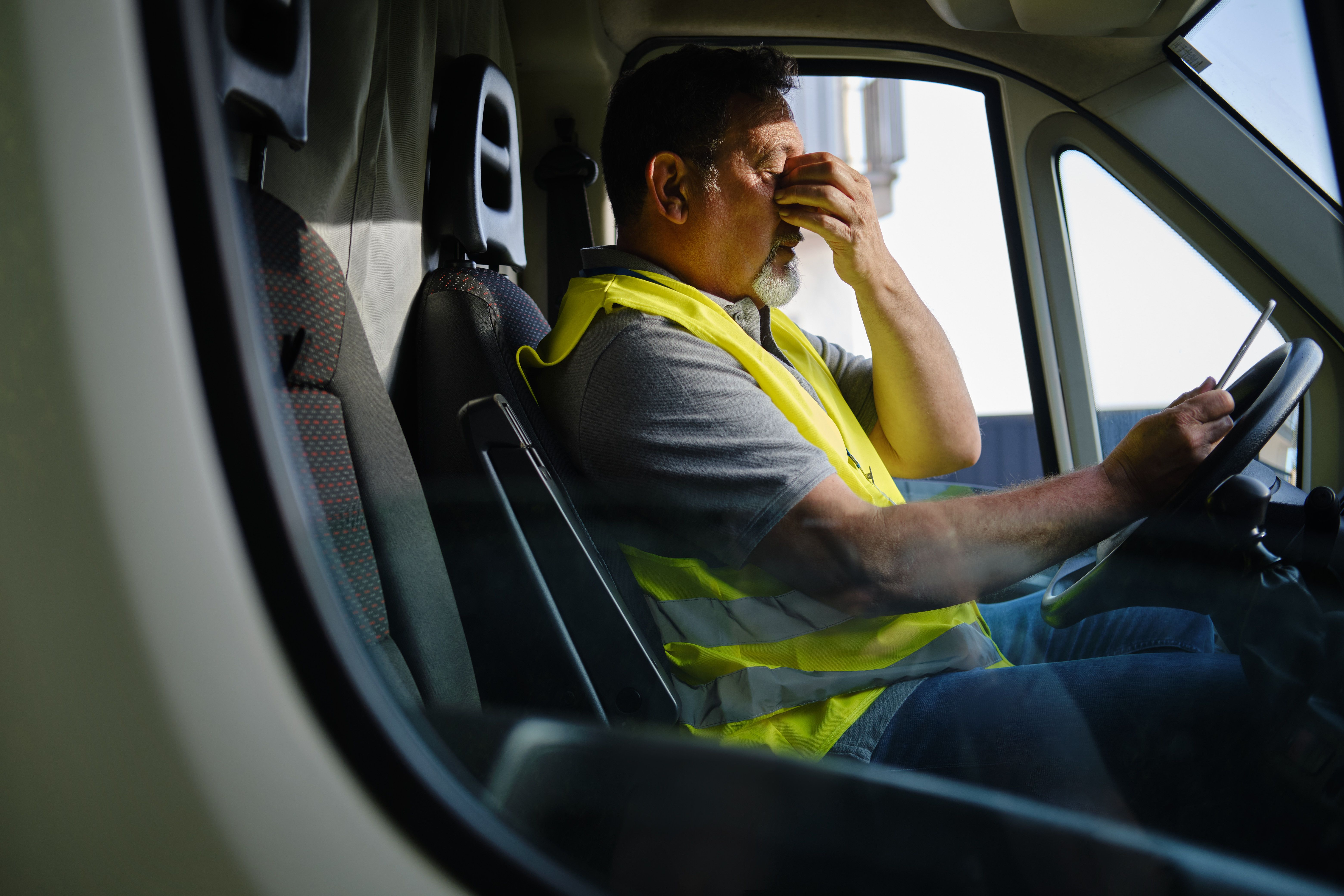
The flexibility of ride sharing also attracts a diverse range of drivers, from students to retirees, each bringing unique experiences and professionalism.
Myth 4: Ride Sharing Harms the Environment
There's a belief that ride sharing contributes to environmental harm by increasing the number of vehicles on the road. However, ride sharing can lead to reduced emissions through carpooling and efficient route planning.
Some companies are investing in electric and hybrid vehicles, further minimizing their environmental impact. Additionally, ride sharing can complement public transportation, reducing the need for individual car ownership.
Conclusion
Debunking these myths is essential for understanding the true impact and benefits of ride sharing. By focusing on facts, we can appreciate how ride sharing enhances mobility, promotes safety, and contributes to a more sustainable future.