How Carpooling Complements Public Transport in New York State


Enhancing Mobility: Carpooling and Public Transport
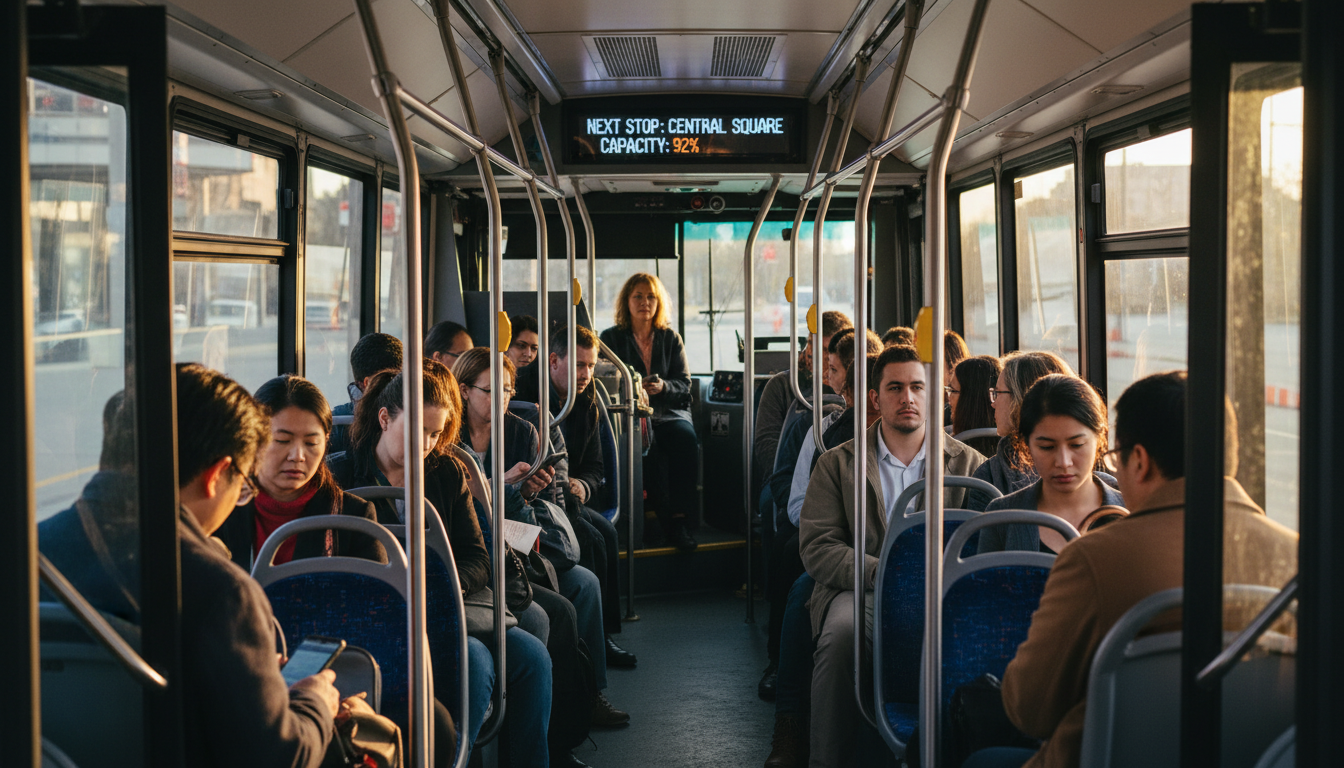
Public transport in New York State is a lifeline for millions of residents. However, integrating carpooling into the mix can significantly enhance mobility and reduce congestion. Carpooling offers a flexible and eco-friendly alternative that complements the existing public transport infrastructure.

Environmental Benefits
By reducing the number of vehicles on the road, carpooling helps decrease greenhouse gas emissions. This reduction is crucial for a state like New York, which faces significant urban air quality challenges. When combined with public transport, carpooling can lead to a substantial decrease in pollution.
Moreover, carpooling reduces the need for parking spaces, which can free up urban land for other uses. This land can be repurposed for green spaces, further enhancing the urban environment.
Economic Advantages
Carpooling offers financial benefits to individuals and communities. By sharing the cost of fuel and tolls, commuters can save a significant amount on their daily travel expenses. This saving is especially beneficial in a state where commuting costs can be high.
Additionally, reducing the number of vehicles on the road can lead to less wear and tear on infrastructure, potentially decreasing maintenance costs for cities and towns.
Social Connections and Convenience
Carpooling also fosters social connections among commuters. Sharing a ride can turn a mundane commute into a chance to build relationships and network with fellow passengers. This social aspect can lead to a more connected and engaged community.
Furthermore, carpooling offers flexibility. While public transport operates on fixed schedules, carpooling allows commuters to arrange their trips based on their personal needs, offering a customized travel experience.
Challenges and Solutions
Despite its benefits, integrating carpooling with public transport presents challenges. These include coordinating schedules and ensuring safety. However, technology-driven solutions like ride-sharing apps can help overcome these hurdles by providing real-time data and secure platforms for users.
Governments and local organizations can also play a role by promoting incentives for carpooling, such as priority lanes and reduced tolls for carpool vehicles.
Conclusion: A Synergistic Approach
By combining carpooling with public transport, New York State can create a more resilient and efficient transportation system. This approach not only addresses environmental and economic concerns but also enhances the quality of life for its residents.
The future of transportation in New York lies in creating a balanced ecosystem where carpooling and public transport work hand in hand to provide sustainable and accessible mobility options for all.