Carpool vs. Public Transport: Which is Better for Students in Ithaca?


Introduction
Students in Ithaca, home to prestigious institutions like Cornell University and Ithaca College, often face the dilemma of choosing the best mode of transportation. With the picturesque but hilly terrain, deciding between carpooling and public transport can significantly impact daily commutes. Both options have their unique benefits and drawbacks, making it essential to weigh them carefully.
Cost Efficiency
Cost is a significant factor for students. Carpooling allows the sharing of expenses such as fuel, parking, and maintenance. By splitting these costs, students can save significantly compared to driving alone. On the other hand, public transportation offers a more predictable cost structure. Students can often benefit from discounted or unlimited ride passes, making it a budget-friendly option.
Convenience and Flexibility
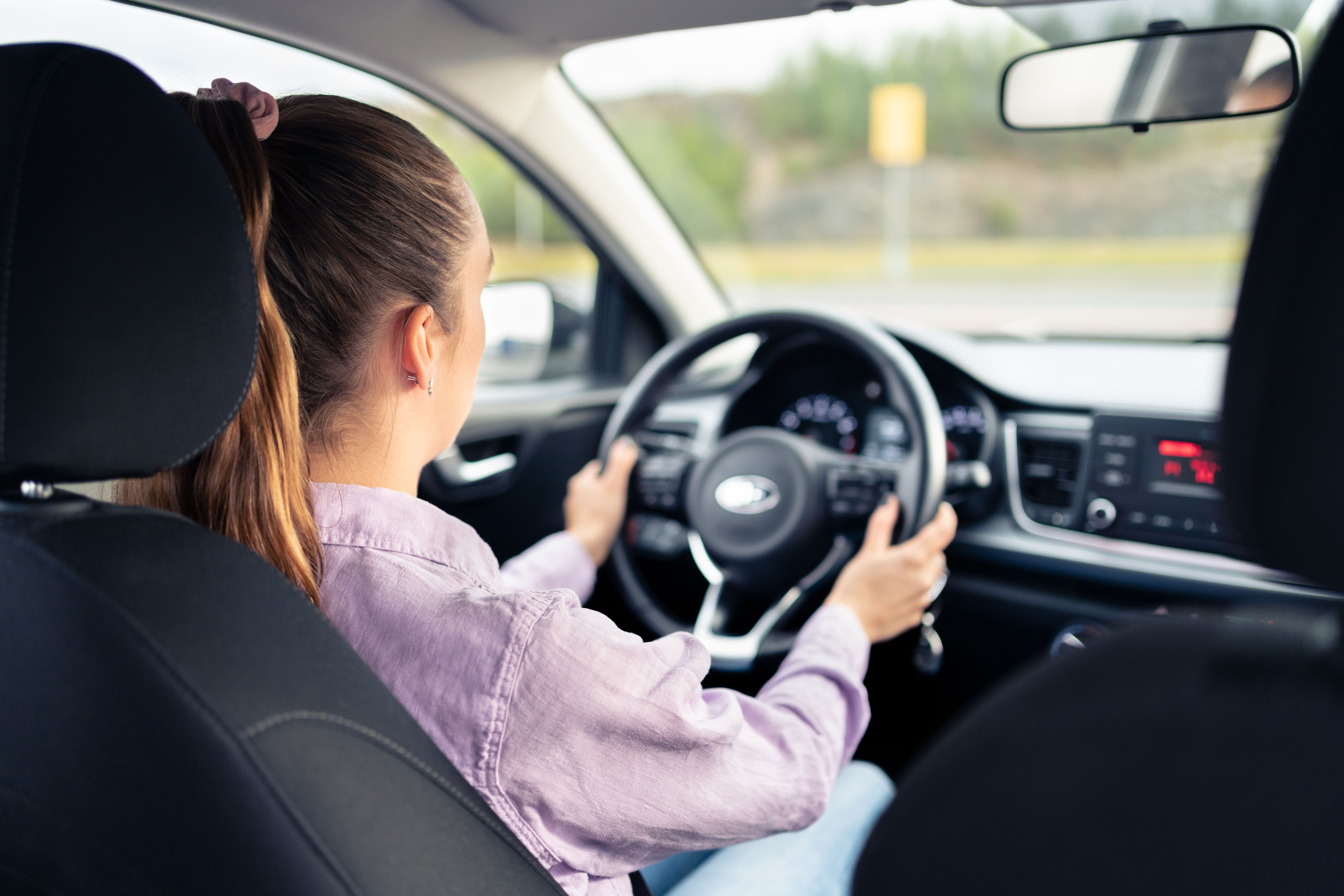
Carpooling offers a level of flexibility that public transport might lack. Riders can set their schedules, which is particularly beneficial for students with irregular class times or late-night study sessions. However, coordinating with other carpool members can sometimes be challenging. Conversely, public transport in Ithaca has a well-structured schedule, ensuring regular service throughout the day, though it may not cover all areas equally.
Environmental Impact
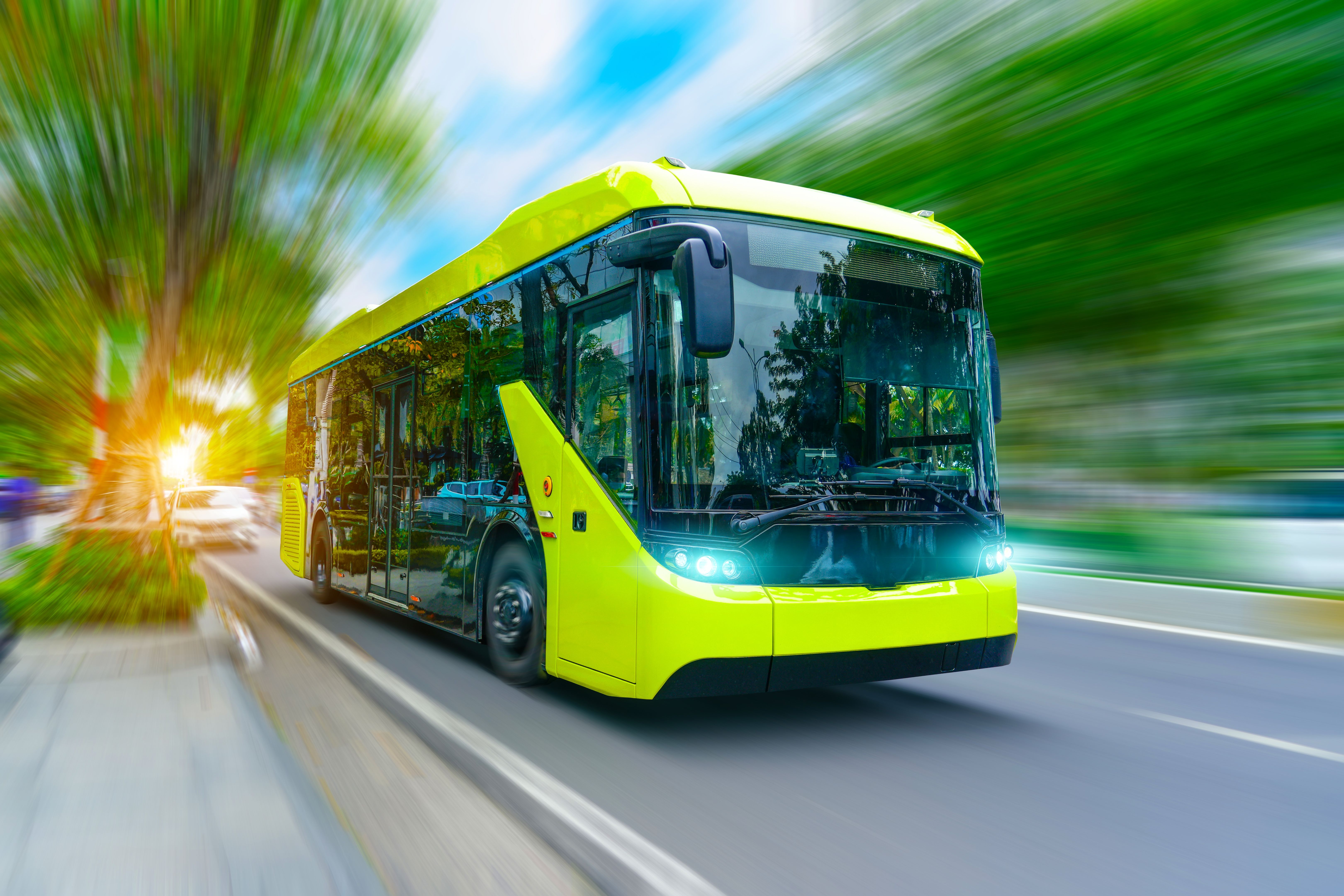
Both carpooling and public transport are more environmentally friendly options compared to driving alone. Carpooling reduces the number of vehicles on the road, thereby cutting down on emissions. Public transport, especially buses, further reduces the carbon footprint per rider. Students concerned about sustainability may find public transport to be the greener option.
Social Interaction
Carpooling often fosters a stronger sense of community among riders, providing an opportunity to connect with fellow students and build lasting friendships. It can be a fun and engaging way to start the day. Meanwhile, public transport offers a broader social experience, exposing students to a more diverse range of people, though interactions may be more casual.
Accessibility
Accessibility can be a decisive factor. Carpooling requires coordination and may not be feasible for students living in remote areas without easy access to a shared vehicle. Public transport, with its fixed routes and stops, provides more widespread access, though some areas may still be underserved. Students should consider their location and transportation needs when making a decision.
Safety Considerations
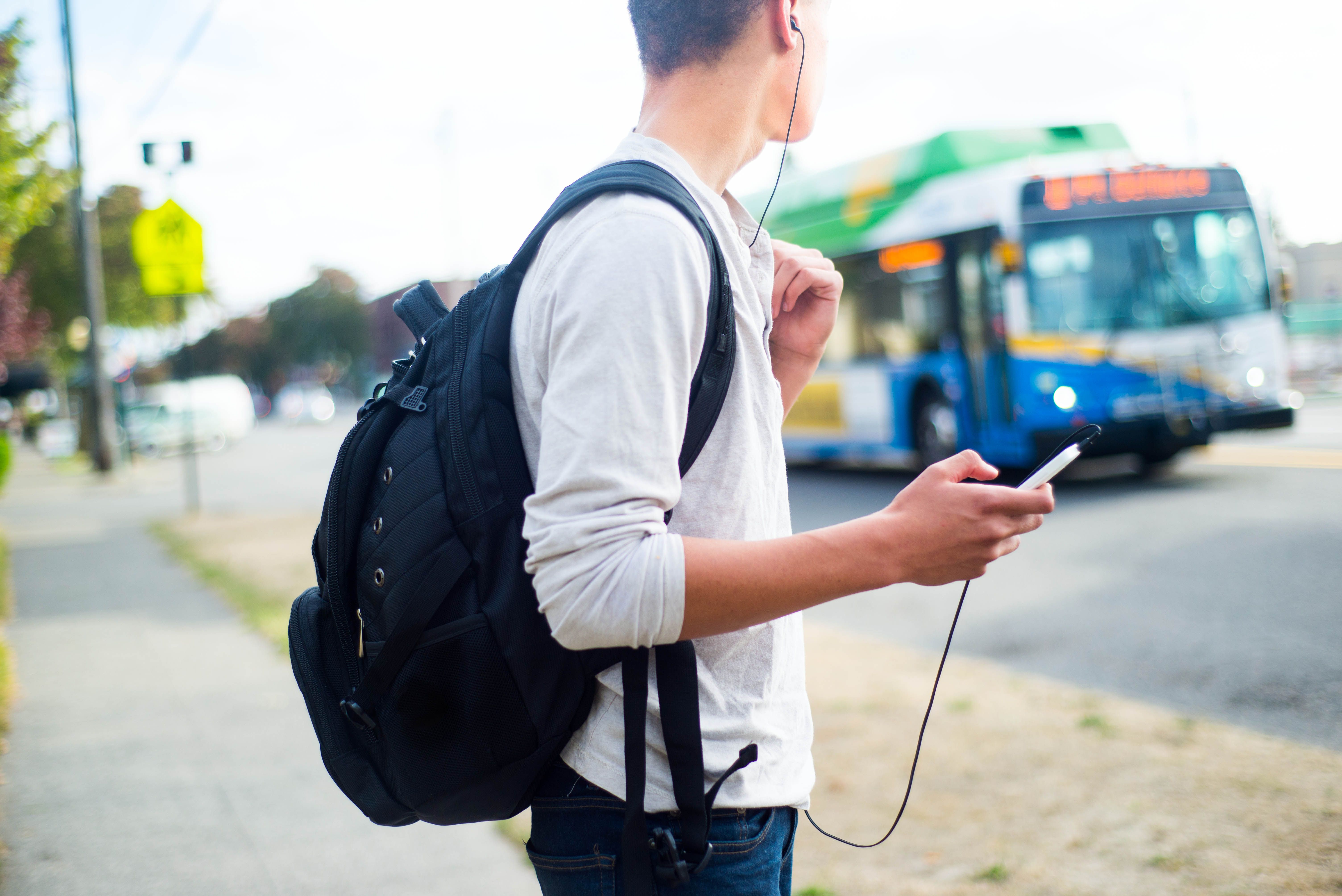
Safety is paramount for students. Carpooling with trusted peers can offer a sense of security. However, public transport is generally considered safe, with designated stops and regular schedules. Ithaca's public transport system is well-maintained, ensuring a secure environment for all riders.
Conclusion
Choosing between carpooling and public transport depends on individual needs and priorities. Students in Ithaca should consider factors such as cost, convenience, environmental impact, and accessibility. By weighing these aspects, they can select the transportation mode that best fits their lifestyle and contributes positively to their academic and social experience. Ultimately, both options offer viable solutions for a sustainable and enjoyable commute.